Crane Up
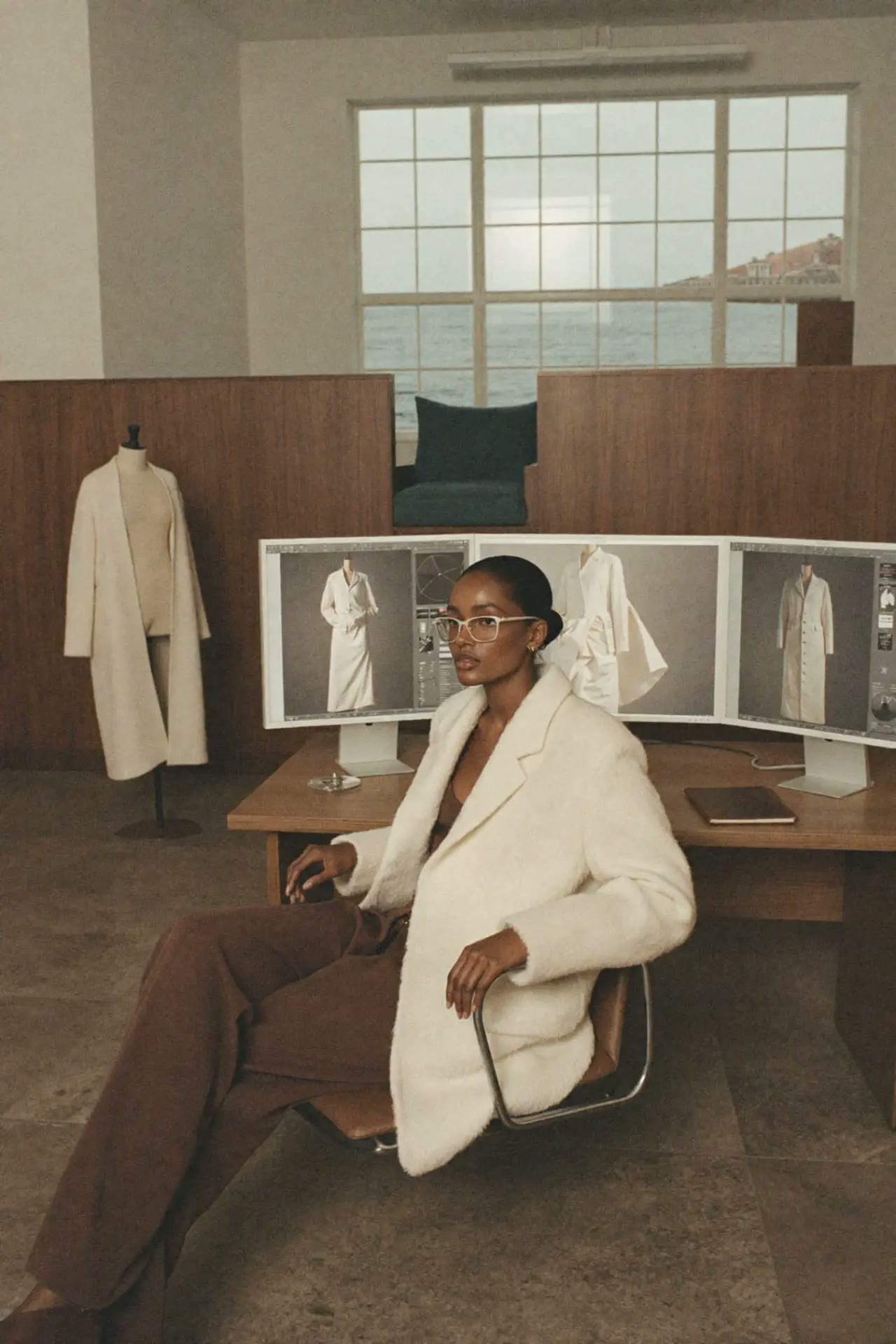
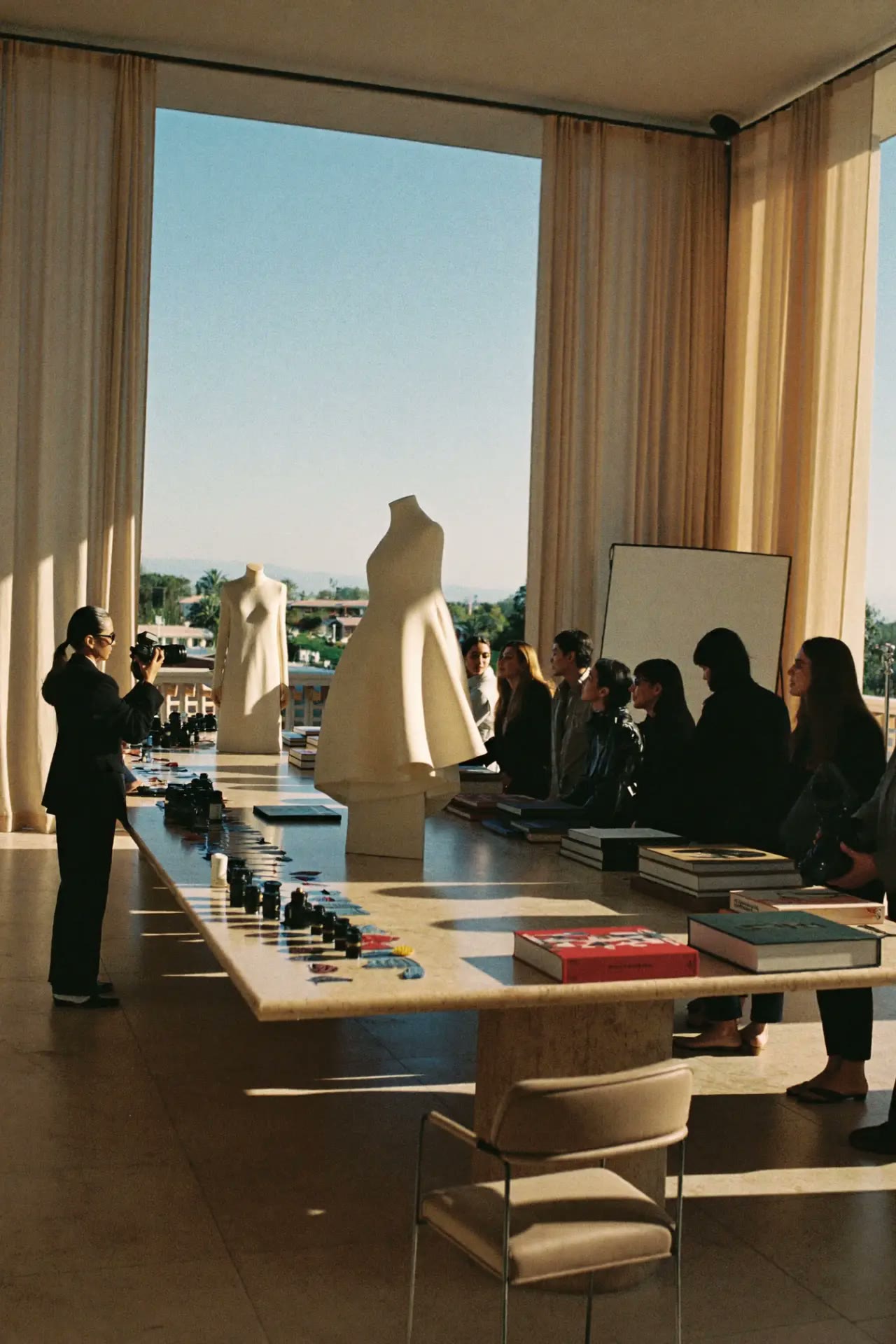
The camera rises high on a crane arm, often tilting down to keep the subject in frame.
Narrative function
Lift, freedom, an ending or a grand overview.
How it works
The camera rises high on a crane arm, often tilting down to keep the subject in frame.
In AI video, the model only knows what you tell it. Name the move in plain camera language and describe what the frame should contain at the start and at the end.
When to use it
End a runway or event film by rising above the crowd.
Compared with similar shots
Pedestal Up: The whole camera rises straight up without tilting, keeping the lens level.
Prompt it
Works in Higgsfield, Kling, Runway and Luma. Swap the subject for your own.
What usually goes wrong
Crowds can duplicate. Keep the scene simple.
Questions
What is a Crane Up in film?
The camera rises high on a crane arm, often tilting down to keep the subject in frame. Lift, freedom, an ending or a grand overview.
Crane Up vs Pedestal Up: what is the difference?
Crane Up: The camera rises high on a crane arm, often tilting down to keep the subject in frame. Pedestal Up: The whole camera rises straight up without tilting, keeping the lens level.
When should I use a Crane Up?
End a runway or event film by rising above the crowd.
How do I prompt a Crane Up in AI video?
Describe the move in plain camera language, for example: "crane shot rising up and away, camera lifts high above the subject". Then describe the subject and setting. Crowds can duplicate. Keep the scene simple.
Generate this crane up from your own photo
Upload one image, we apply the move. Pay as you go, no subscription.
Your next step