Fashion brands prompts
446 prompts below · Design, campaigns, e-commerce. Fill in the [bracketed] fields, copy and paste into any AI tool.
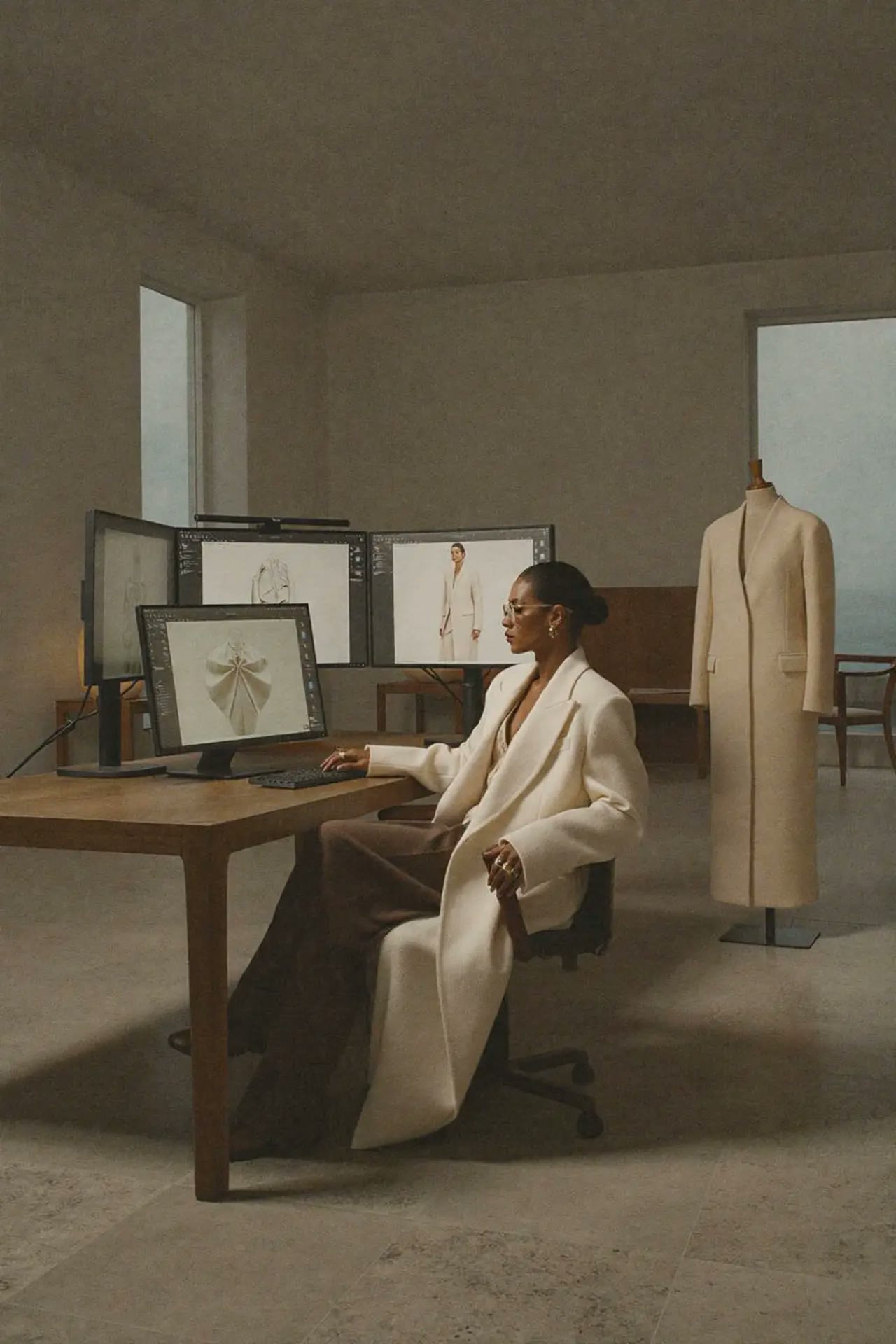
Act as a fashion trend strategist. Build a research framework for cultural signals into fashion hypotheses focused on [MARKET/CATEGORY] and [SEASON/YEAR]. Separate observed signals from interpretation, identify what evidence should be checked, and finish with product, content and timing implications. Use placeholders such as [BRAND], [PRODUCT], [AUDIENCE], [MARKET] or [DATA] where the user should customize the workflow.
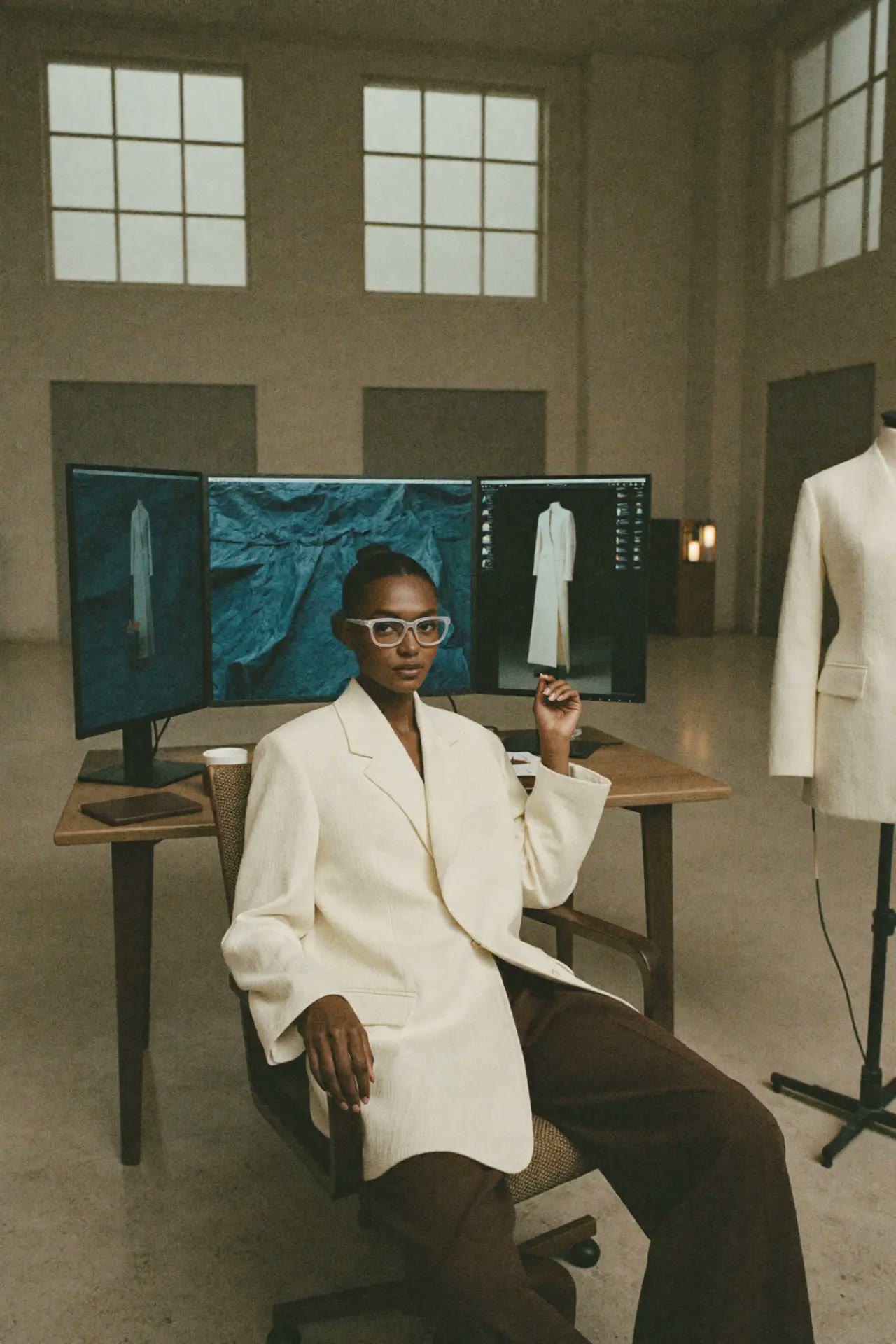
Act as a fashion trend strategist. Build a research framework for competitor trend matrix focused on [MARKET/CATEGORY] and [SEASON/YEAR]. Separate observed signals from interpretation, identify what evidence should be checked, and finish with product, content and timing implications. Use placeholders such as [BRAND], [PRODUCT], [AUDIENCE], [MARKET] or [DATA] where the user should customize the workflow.
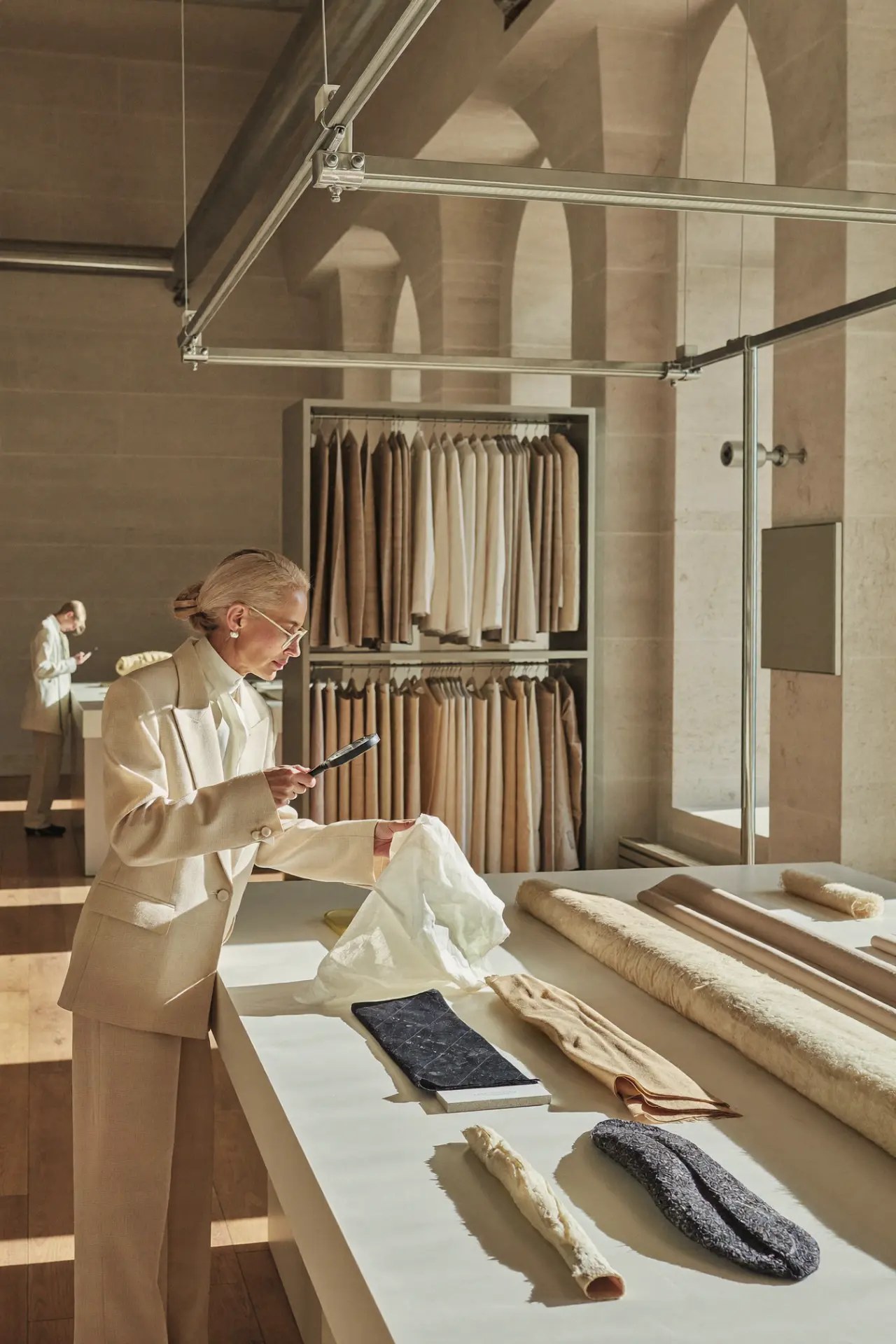
Act as a fashion trend strategist. Build a research framework for trend forecasting workshop focused on [MARKET/CATEGORY] and [SEASON/YEAR]. Separate observed signals from interpretation, identify what evidence should be checked, and finish with product, content and timing implications. Use placeholders such as [BRAND], [PRODUCT], [AUDIENCE], [MARKET] or [DATA] where the user should customize the workflow.
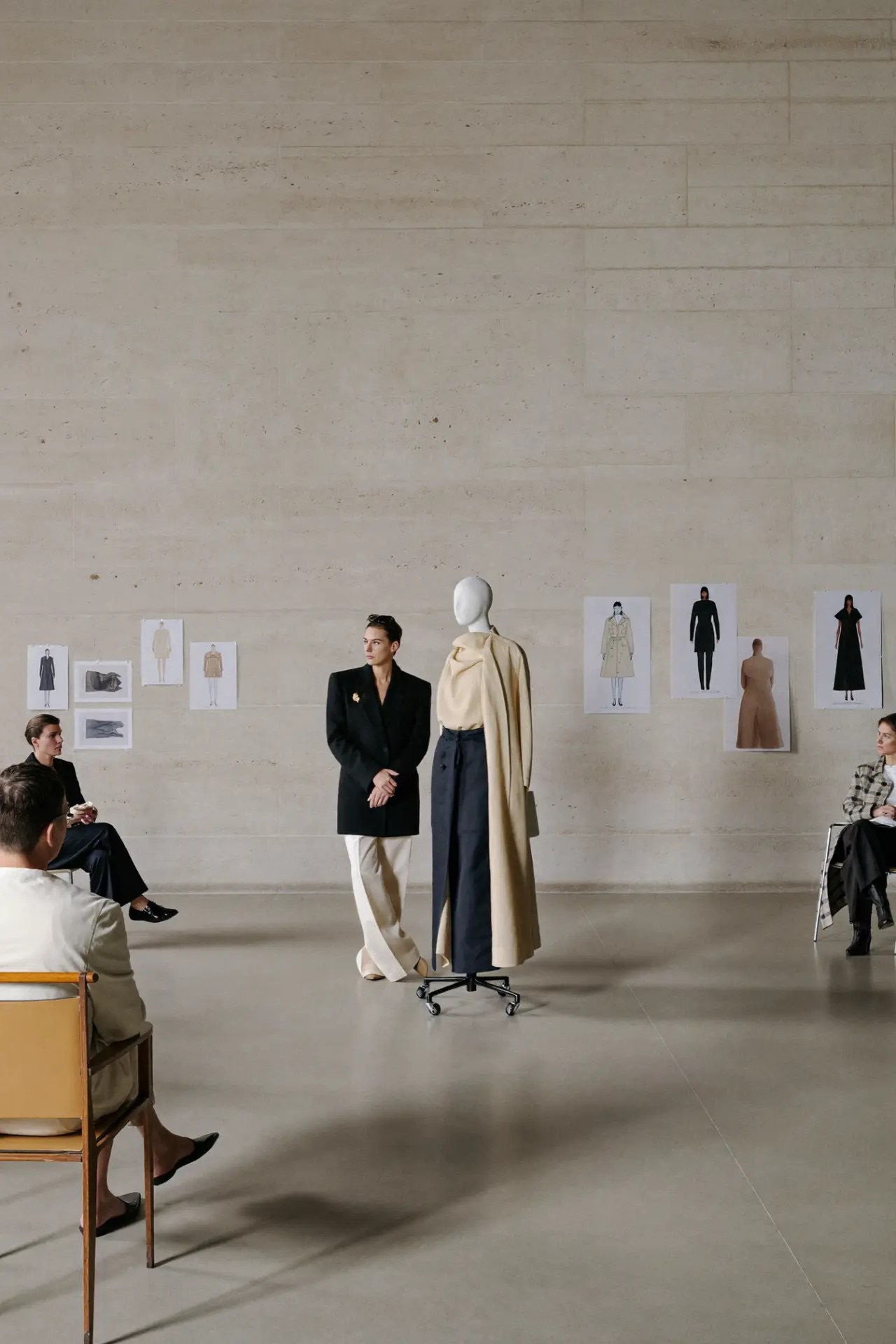
Act as a fashion trend strategist. Build a research framework for future-facing signal research plan focused on [MARKET/CATEGORY] and [SEASON/YEAR]. Separate observed signals from interpretation, identify what evidence should be checked, and finish with product, content and timing implications. Use placeholders such as [BRAND], [PRODUCT], [AUDIENCE], [MARKET] or [DATA] where the user should customize the workflow.
Act as a fashion trend strategist. Build a research framework for seasonal trend report focused on [MARKET/CATEGORY] and [SEASON/YEAR]. Separate observed signals from interpretation, identify what evidence should be checked, and finish with product, content and timing implications. Use placeholders such as [BRAND], [PRODUCT], [AUDIENCE], [MARKET] or [DATA] where the user should customize the workflow.
Act as a fashion trend strategist. Build a research framework for stress-test a trend forecast focused on [MARKET/CATEGORY] and [SEASON/YEAR]. Separate observed signals from interpretation, identify what evidence should be checked, and finish with product, content and timing implications. Use placeholders such as [BRAND], [PRODUCT], [AUDIENCE], [MARKET] or [DATA] where the user should customize the workflow.
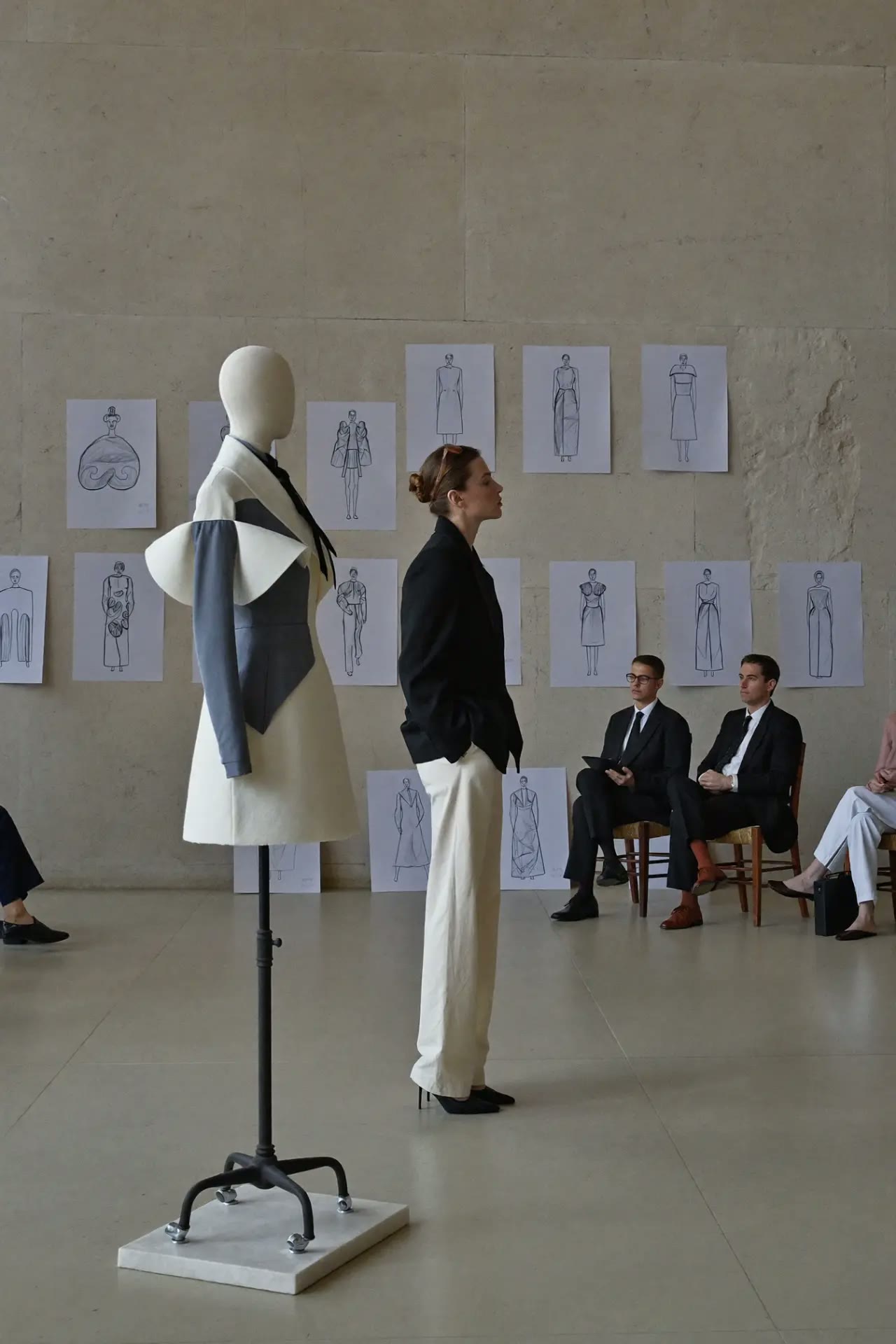
Act as a fashion product-development lead. Solve idea into a production brief for [BRAND] and [PRODUCT CATEGORY]. Include customer need, design decisions, materials, construction, cost/quality considerations, AI-assisted steps and human approval points. Finish with a prioritized action list. Use placeholders such as [BRAND], [PRODUCT], [AUDIENCE], [MARKET] or [DATA] where the user should customize the workflow.
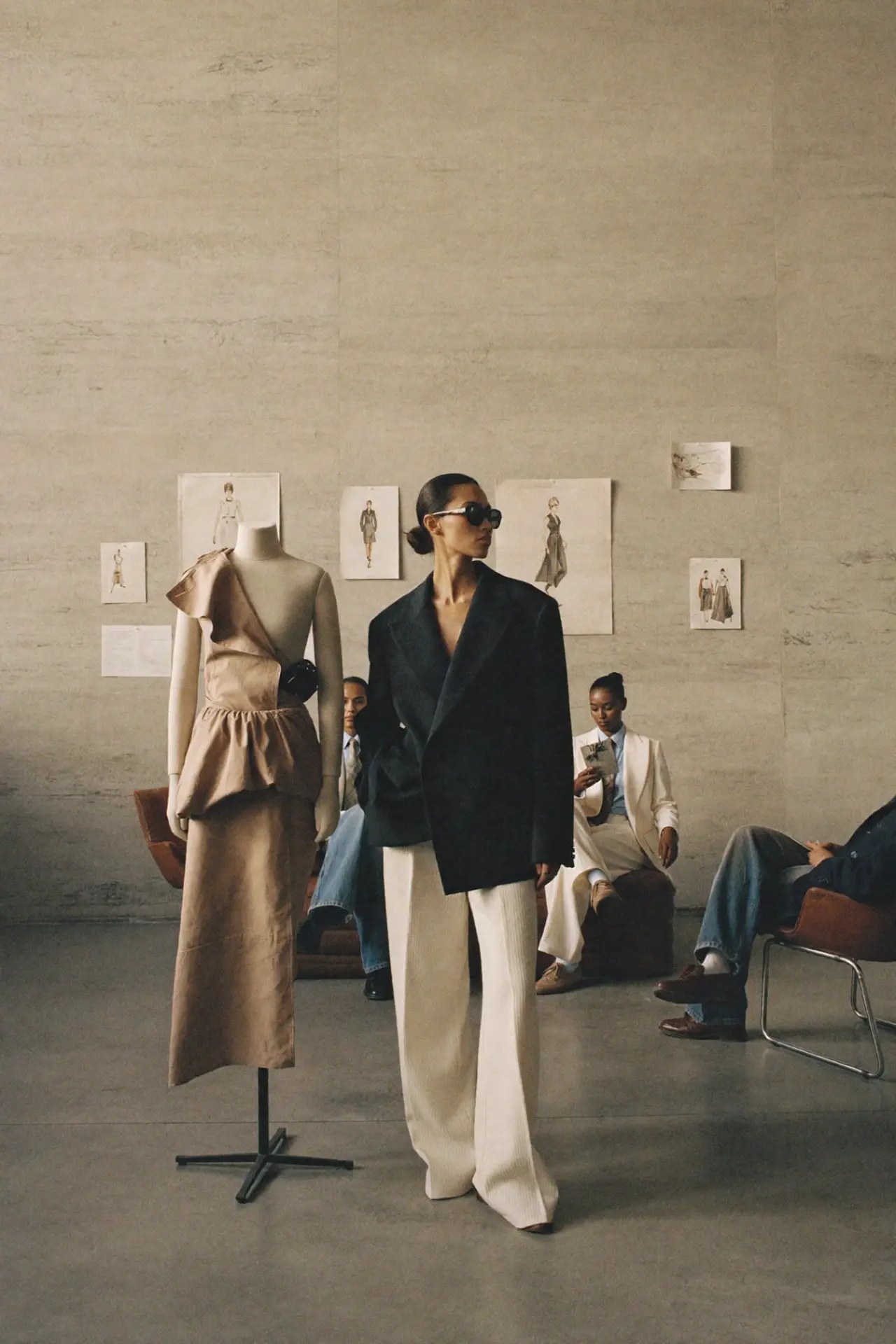
Act as a fashion product-development lead. Solve variations of a hero product for [BRAND] and [PRODUCT CATEGORY]. Include customer need, design decisions, materials, construction, cost/quality considerations, AI-assisted steps and human approval points. Finish with a prioritized action list. Use placeholders such as [BRAND], [PRODUCT], [AUDIENCE], [MARKET] or [DATA] where the user should customize the workflow.
Act as a fashion product-development lead. Solve fashion product naming system for [BRAND] and [PRODUCT CATEGORY]. Include customer need, design decisions, materials, construction, cost/quality considerations, AI-assisted steps and human approval points. Finish with a prioritized action list. Use placeholders such as [BRAND], [PRODUCT], [AUDIENCE], [MARKET] or [DATA] where the user should customize the workflow.
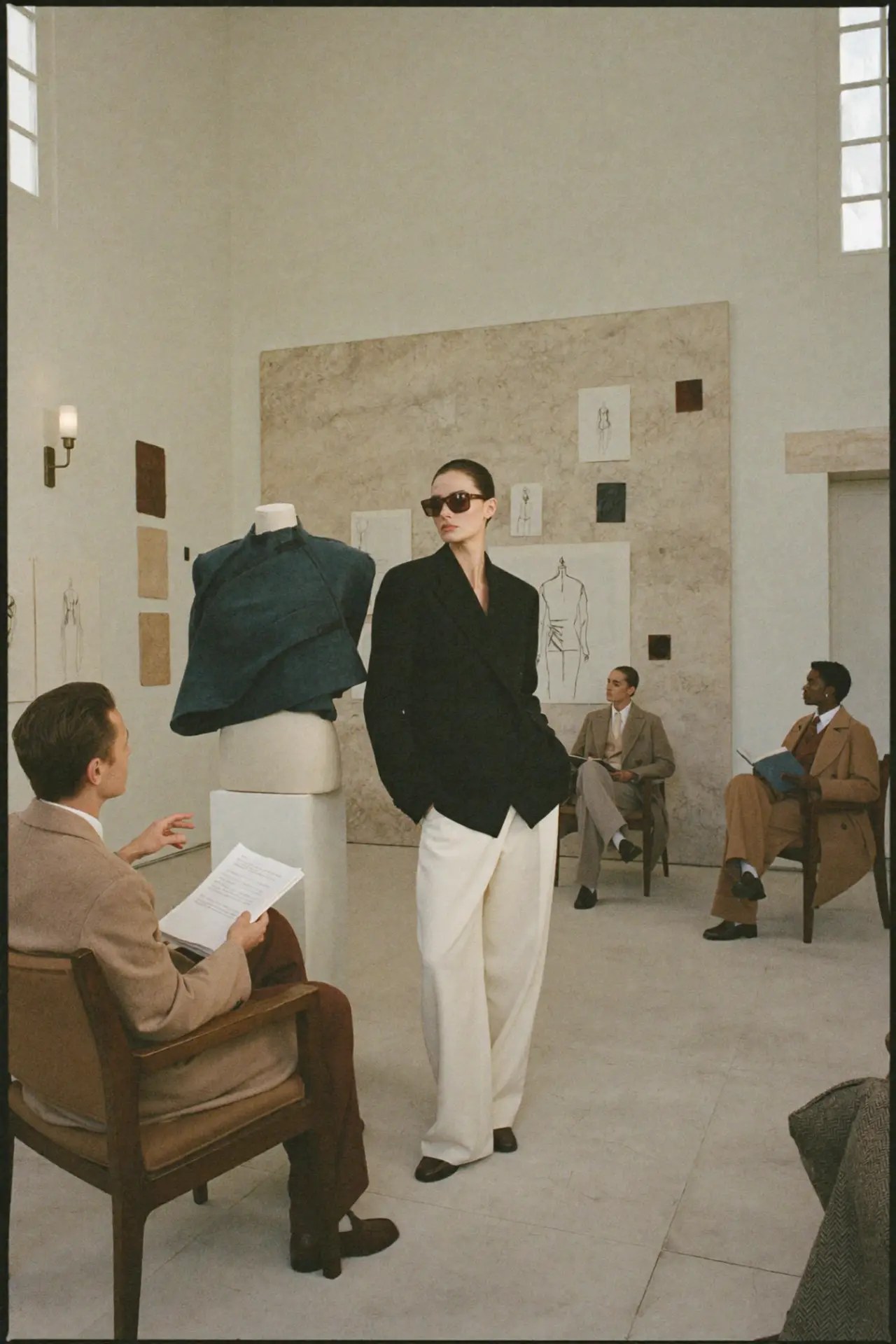
Act as a fashion product-development lead. Solve pre-sampling technical questions for [BRAND] and [PRODUCT CATEGORY]. Include customer need, design decisions, materials, construction, cost/quality considerations, AI-assisted steps and human approval points. Finish with a prioritized action list. Use placeholders such as [BRAND], [PRODUCT], [AUDIENCE], [MARKET] or [DATA] where the user should customize the workflow.
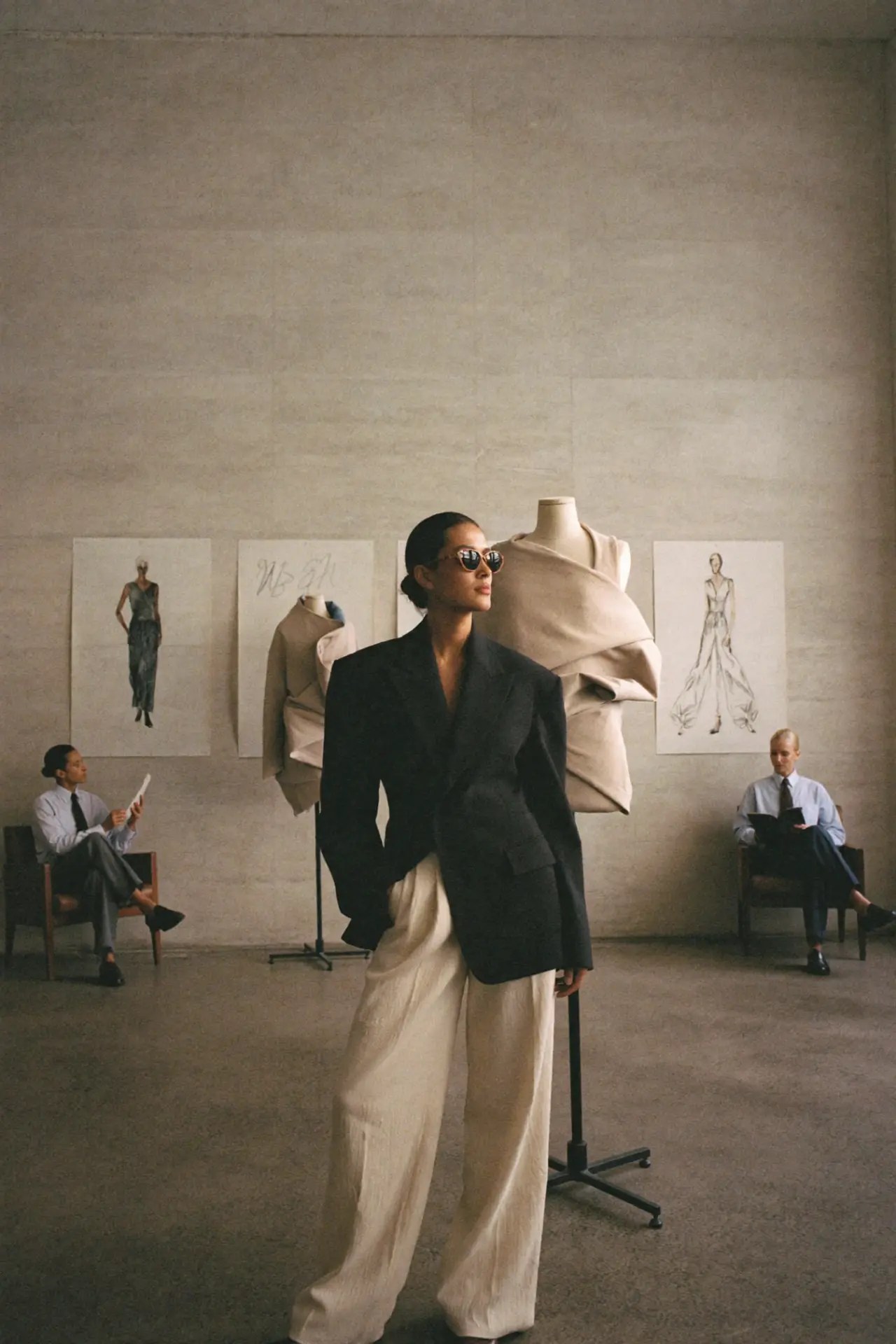
Act as a fashion product-development lead. Solve customer feedback into product changes for [BRAND] and [PRODUCT CATEGORY]. Include customer need, design decisions, materials, construction, cost/quality considerations, AI-assisted steps and human approval points. Finish with a prioritized action list. Use placeholders such as [BRAND], [PRODUCT], [AUDIENCE], [MARKET] or [DATA] where the user should customize the workflow.
Act as a fashion product-development lead. Solve product specification sheet for [BRAND] and [PRODUCT CATEGORY]. Include customer need, design decisions, materials, construction, cost/quality considerations, AI-assisted steps and human approval points. Finish with a prioritized action list. Use placeholders such as [BRAND], [PRODUCT], [AUDIENCE], [MARKET] or [DATA] where the user should customize the workflow.
Act as a fashion product-development lead. Solve sustainable product development brief for [BRAND] and [PRODUCT CATEGORY]. Include customer need, design decisions, materials, construction, cost/quality considerations, AI-assisted steps and human approval points. Finish with a prioritized action list. Use placeholders such as [BRAND], [PRODUCT], [AUDIENCE], [MARKET] or [DATA] where the user should customize the workflow.
Act as a fashion product-development lead. Solve AI-assisted sampling workflow for [BRAND] and [PRODUCT CATEGORY]. Include customer need, design decisions, materials, construction, cost/quality considerations, AI-assisted steps and human approval points. Finish with a prioritized action list. Use placeholders such as [BRAND], [PRODUCT], [AUDIENCE], [MARKET] or [DATA] where the user should customize the workflow.
Act as a fashion product-development lead. Solve product quality-control rubric for [BRAND] and [PRODUCT CATEGORY]. Include customer need, design decisions, materials, construction, cost/quality considerations, AI-assisted steps and human approval points. Finish with a prioritized action list. Use placeholders such as [BRAND], [PRODUCT], [AUDIENCE], [MARKET] or [DATA] where the user should customize the workflow.
Act as a fashion product-development lead. Solve accessory concepts around a garment for [BRAND] and [PRODUCT CATEGORY]. Include customer need, design decisions, materials, construction, cost/quality considerations, AI-assisted steps and human approval points. Finish with a prioritized action list. Use placeholders such as [BRAND], [PRODUCT], [AUDIENCE], [MARKET] or [DATA] where the user should customize the workflow.
Act as a fashion product-development lead. Solve limited-edition product strategy for [BRAND] and [PRODUCT CATEGORY]. Include customer need, design decisions, materials, construction, cost/quality considerations, AI-assisted steps and human approval points. Finish with a prioritized action list. Use placeholders such as [BRAND], [PRODUCT], [AUDIENCE], [MARKET] or [DATA] where the user should customize the workflow.
Act as a fashion product-development lead. Solve product line architecture for [BRAND] and [PRODUCT CATEGORY]. Include customer need, design decisions, materials, construction, cost/quality considerations, AI-assisted steps and human approval points. Finish with a prioritized action list. Use placeholders such as [BRAND], [PRODUCT], [AUDIENCE], [MARKET] or [DATA] where the user should customize the workflow.
Act as a fashion product-development lead. Solve runway idea into commercial product for [BRAND] and [PRODUCT CATEGORY]. Include customer need, design decisions, materials, construction, cost/quality considerations, AI-assisted steps and human approval points. Finish with a prioritized action list. Use placeholders such as [BRAND], [PRODUCT], [AUDIENCE], [MARKET] or [DATA] where the user should customize the workflow.
Act as a fashion product-development lead. Solve product testing plan for [BRAND] and [PRODUCT CATEGORY]. Include customer need, design decisions, materials, construction, cost/quality considerations, AI-assisted steps and human approval points. Finish with a prioritized action list. Use placeholders such as [BRAND], [PRODUCT], [AUDIENCE], [MARKET] or [DATA] where the user should customize the workflow.
Act as a fashion product-development lead. Solve product post-mortem for [BRAND] and [PRODUCT CATEGORY]. Include customer need, design decisions, materials, construction, cost/quality considerations, AI-assisted steps and human approval points. Finish with a prioritized action list. Use placeholders such as [BRAND], [PRODUCT], [AUDIENCE], [MARKET] or [DATA] where the user should customize the workflow.
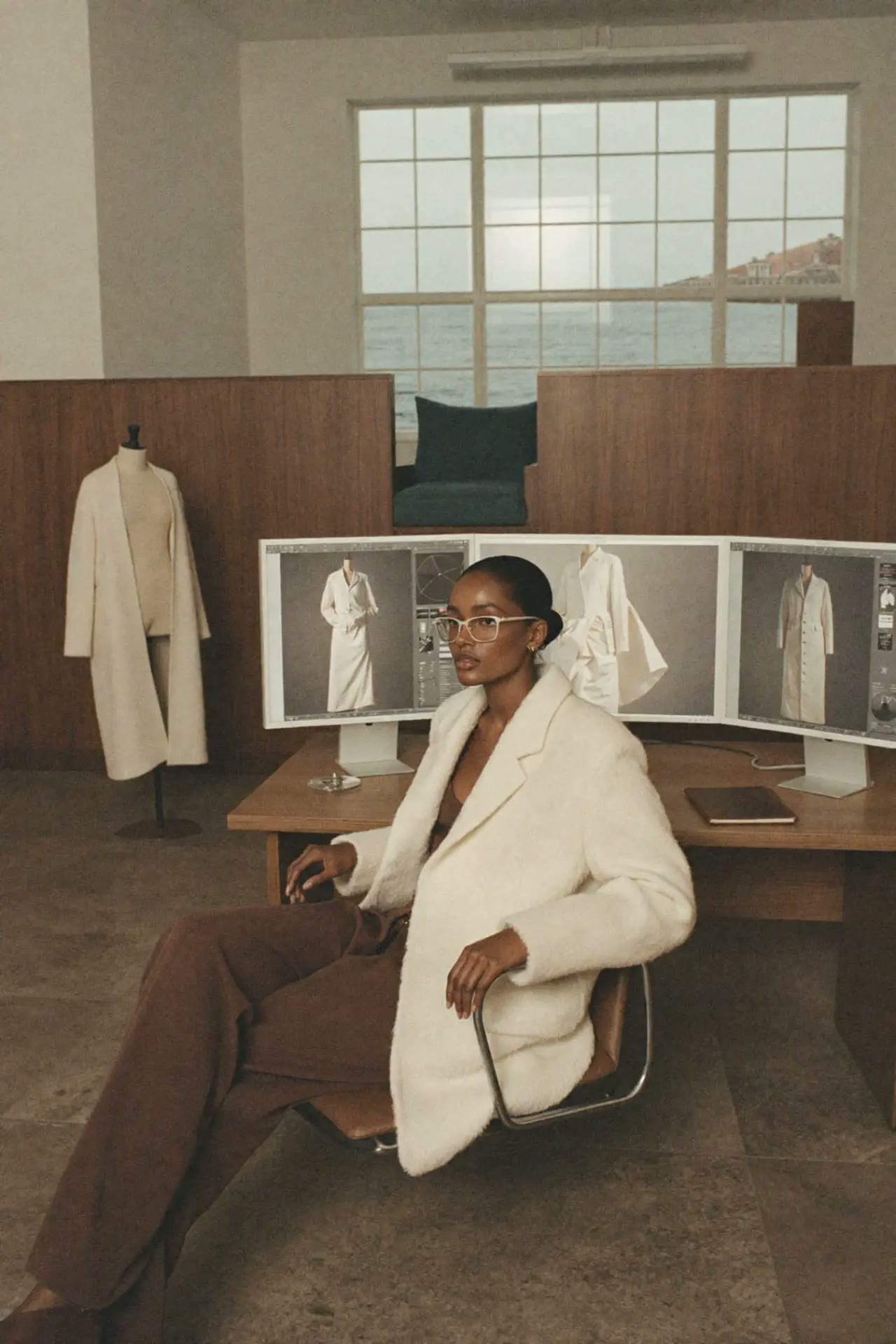
Act as a fashion brand strategist. Develop distinctive brand codes for [BRAND], targeting [CUSTOMER]. Make the recommendations distinctive and specific to the brand's positioning. Include concrete examples, do/don't rules and a short implementation plan. Use placeholders such as [BRAND], [PRODUCT], [AUDIENCE], [MARKET] or [DATA] where the user should customize the workflow.
Act as a fashion brand strategist. Develop fashion brand positioning for [BRAND], targeting [CUSTOMER]. Make the recommendations distinctive and specific to the brand's positioning. Include concrete examples, do/don't rules and a short implementation plan. Use placeholders such as [BRAND], [PRODUCT], [AUDIENCE], [MARKET] or [DATA] where the user should customize the workflow.
Act as a fashion brand strategist. Develop brand voice system for [BRAND], targeting [CUSTOMER]. Make the recommendations distinctive and specific to the brand's positioning. Include concrete examples, do/don't rules and a short implementation plan. Use placeholders such as [BRAND], [PRODUCT], [AUDIENCE], [MARKET] or [DATA] where the user should customize the workflow.
Your next step