Industry
AI Creative Tools for Beauty & Cosmetics Brands
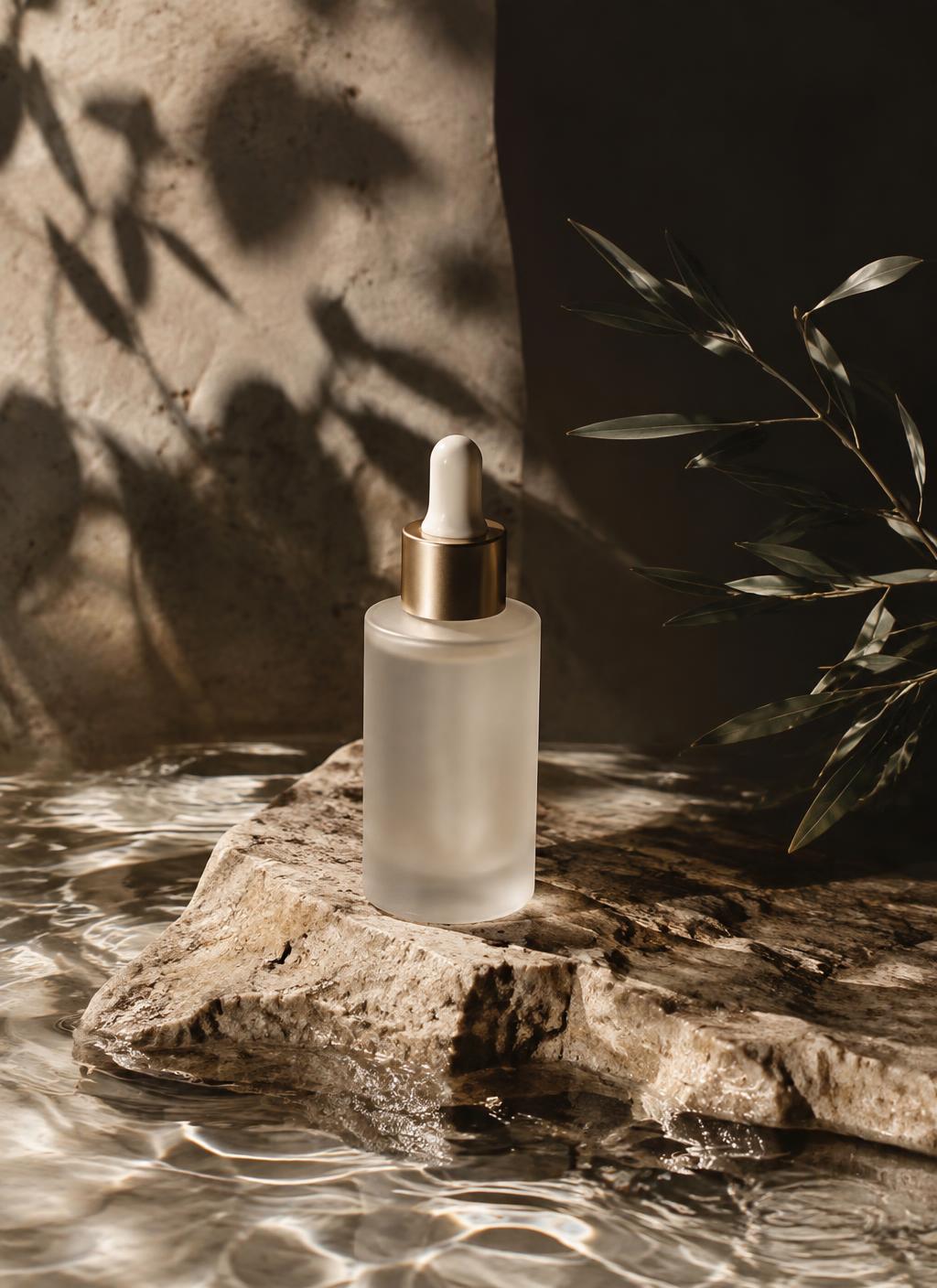
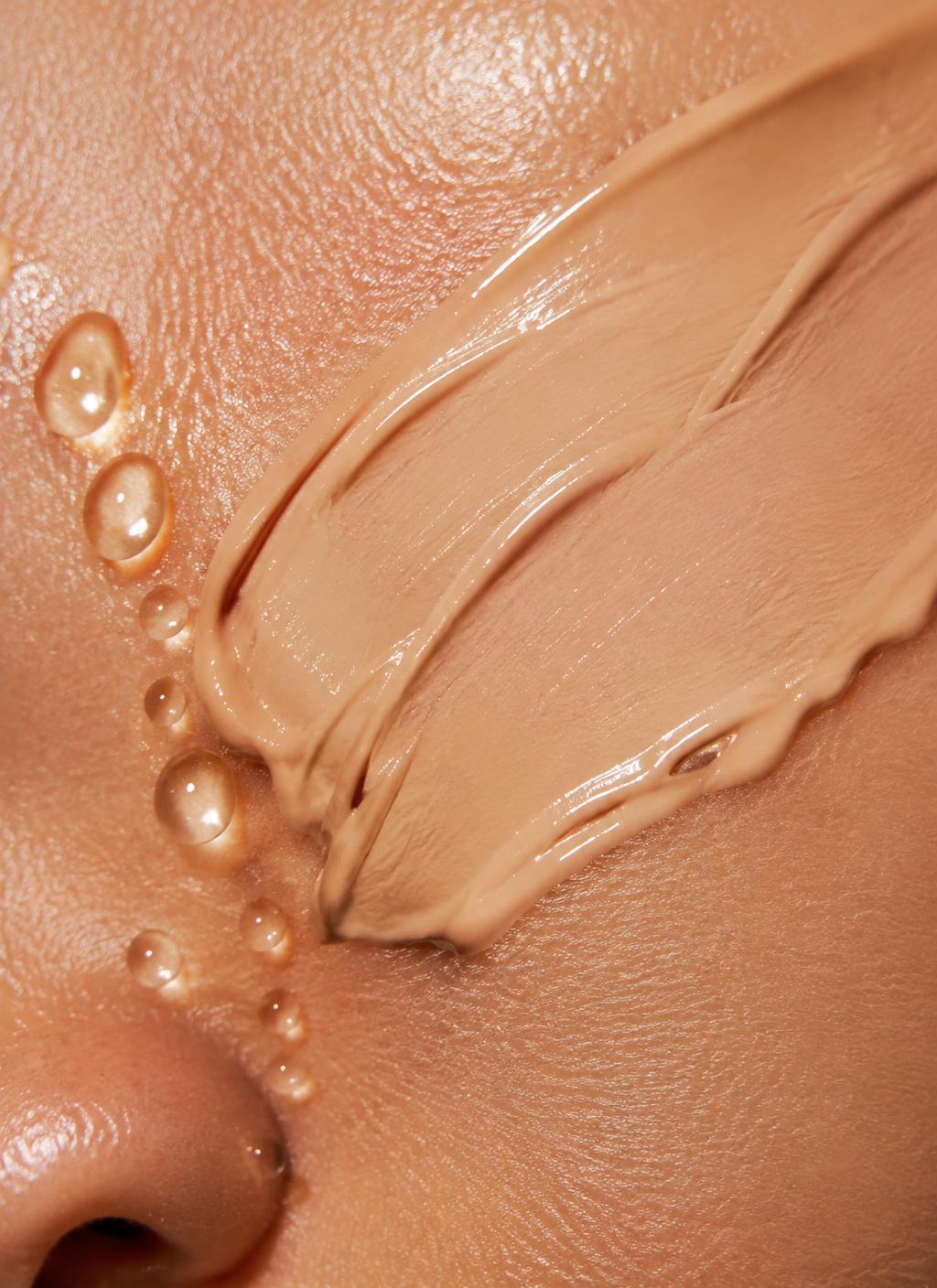
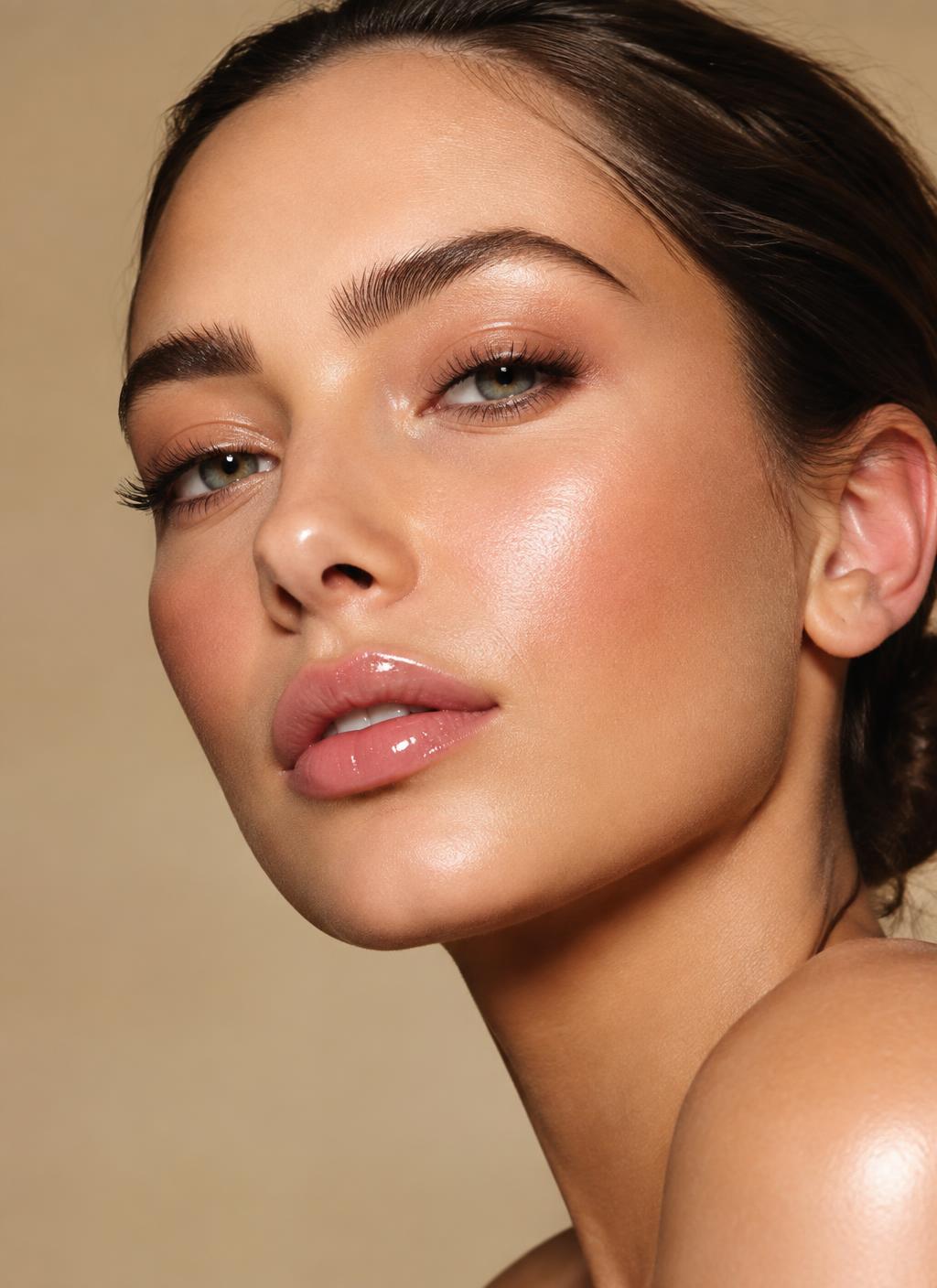
Beauty brands use AI to turn a single packshot into launch visuals: texture close-ups, styled bottle campaigns and product-on-skin moments for social and product pages. The safest use is mood and staging; claims about results, shades and skin effects still need real product photography.
What beauty & cosmetics brands need
Launch visuals before stock arrives
Stage a hero bottle on travertine, silk or botanicals while the final shoot is still weeks away.
Texture that sells
Creamy swirls, smears and droplets make a formula feel tangible on a small screen.
Constant social content
Short loops for reels, stories and ads without rebuilding a set every week.
Consistent brand world
Keep the same surfaces, light and palette across every SKU in a range.
The workflow
- 1
Use a clean, front-facing packshot with readable label and true colour.
- 2
Choose the job: texture macro, bottle campaign or on-skin moment.
- 3
Select a set that fits the range: stone, water, silk, glass or botanicals.
- 4
Generate several takes; keep the ones where label and shape stay intact.
- 5
Do not use AI images as proof of shade match, coverage or skin results.
Concept case studies
Your next step
Go from free tool to real results
Free guides
Learn it properly: recorded workshops
Questions
- Can I use AI images in beauty ads?
- Yes for mood, staging and lifestyle. Avoid using generated images to demonstrate product performance, shade range or skin results, which advertising standards treat as claims.
- Will my label stay readable?
- Usually, if the packshot is sharp and front-facing. Text is still the weakest point of AI imagery, so check every frame and retouch where needed.
- What input works best?
- A high-resolution packshot on a plain background, with true colour and no heavy reflections.
- How is it priced?
- Pay as you go from a credit wallet. Each clip shows its price before you generate, with no subscription.